What Is Depression?
Depression is a common but serious mental health condition that affects how a person feels, thinks, and functions in daily life. It goes beyond temporary sadness or feeling “down” and can last for weeks, months, or even longer if left untreated. Depression can impact work, relationships, sleep, appetite, and overall quality of life.
Common symptoms of depression include persistent sadness, loss of interest in activities once enjoyed, fatigue, difficulty concentrating, changes in sleep or appetite, and feelings of hopelessness or worthlessness. In more severe cases, individuals may experience thoughts of self-harm or suicide.
Depression can be caused by a combination of factors, including genetics, brain chemistry, life events, stress, and underlying medical conditions. It affects people of all ages and backgrounds and is one of the most widespread mental health disorders worldwide.
The good news is that depression is treatable. Options may include therapy, lifestyle changes, support systems, and in some cases, medication prescribed by a healthcare professional. Seeking help early can make a significant difference in recovery and long-term well-being.
What Is Medical Marijuana?
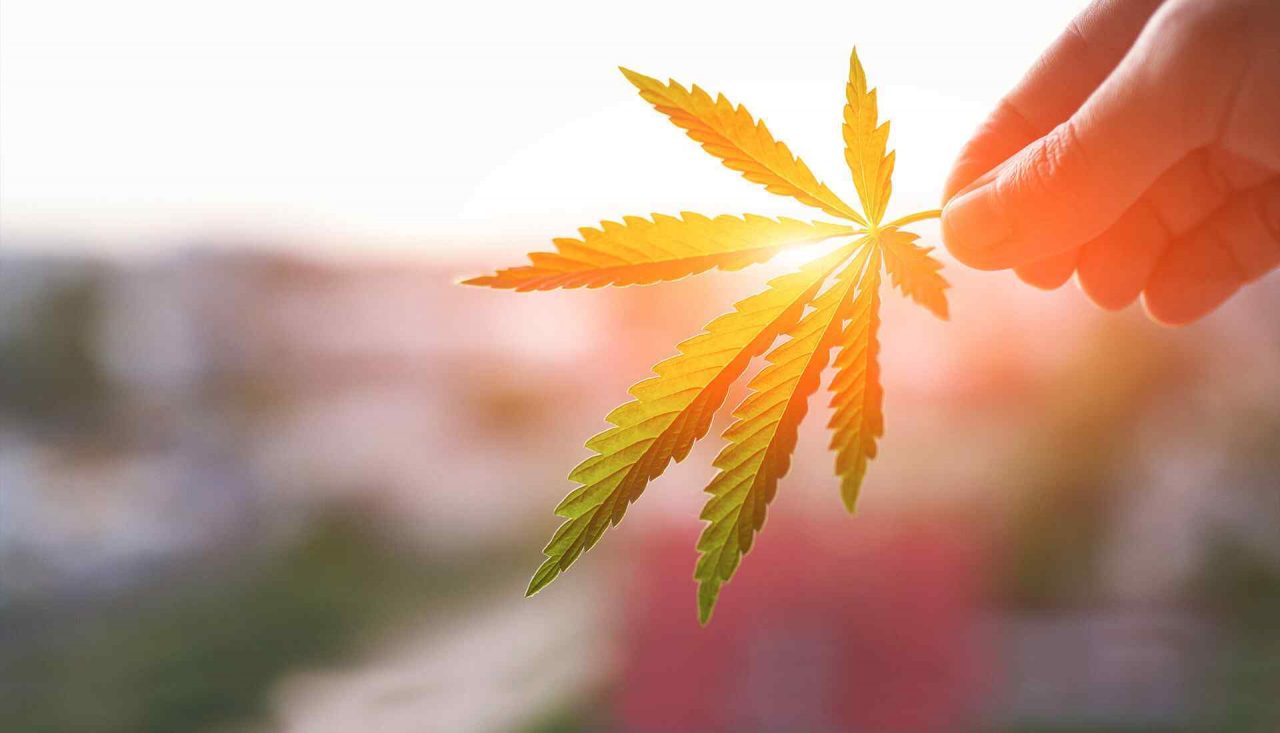
Medical marijuana refers to the use of cannabis and its active compounds to help treat certain medical conditions under the guidance of a licensed healthcare provider. It is typically recommended for patients who may benefit from its therapeutic effects, such as pain relief, reduced inflammation, improved sleep, and relief from symptoms like nausea or anxiety.
The cannabis plant contains compounds called cannabinoids, the most well-known being THC (tetrahydrocannabinol) and CBD (cannabidiol). THC is responsible for the psychoactive effects, while CBD is often associated with calming and anti-inflammatory properties without causing a “high.”
is available in various forms, including oils, tinctures, capsules, edibles, and vaporized products. Laws and regulations vary by state, but patients usually need to be evaluated by a qualified physician and approved for a medical marijuana card to access products legally.
When used responsibly and under medical supervision, medical marijuana can be an effective treatment option for a range of qualifying conditions.
Can Medical Marijuana Help Treat Symptoms of Depression?
Medical marijuana is sometimes used by patients to help manage certain symptoms associated with Depression, such as low mood, anxiety, poor sleep, and lack of appetite. The cannabis plant contains compounds called cannabinoids—primarily THC and CBD—that interact with the body’s endocannabinoid system, which plays a role in mood regulation and stress response.
Some patients report that CBD may promote relaxation and improve sleep, while low doses of THC may help elevate mood in certain individuals. However, responses to medical marijuana can vary widely. In some cases—especially with higher THC levels—cannabis may worsen symptoms like anxiety or low motivation.
Current research is still ongoing, and medical marijuana is not considered a first-line treatment for depression. Healthcare professionals typically recommend established treatments such as therapy and prescribed medications before considering cannabis as a complementary option.
If you are considering medical marijuana for depression, it’s important to consult with a qualified medical professional. A medical marijuana doctor can help determine whether it’s appropriate for your situation and guide you on safe use, proper dosing, and potential risks.
Does Depression Qualify for a Medical Marijuana Card in North Carolina?
As of 2026, depression “does” qualify for a medical marijuana card through the EBCI program in North Carolina. The state does not have a full medical marijuana program, only medical marijuana cards are available through the EBCI marijuana program.
The medical cannabis program operated by the Eastern Band of Cherokee Indians (EBCI) on tribal land. Under that program, certain conditions may qualify, such as PTSD, chronic pain, and other serious illnesses. However, depression alone is generally not listed as a primary qualifying condition, though related conditions like anxiety or PTSD may qualify in some cases.
Bottom Line
Depression by itself does currently qualify for a medical marijuana card in North Carolina. Laws may change in the future, but for now, access to medical cannabis in the state remains very limited.
Who Is All Natural Health Certifications North Carolina?
All Natural Health Certifications North Carolina is a medical cannabis evaluation service that connects patients with licensed physicians who assess eligibility for medical marijuana programs and assist with the certification process. The organization focuses on helping patients navigate the steps required to obtain legal access to medical cannabis through professional medical evaluations and guided support.
The company employees only the most qualified, licensed and fully insured medical marijuana doctors who provide patient evaluations, determine qualifying conditions, and help individuals complete the necessary steps for program registration. Their goal is to make the process simple, efficient, and accessible through streamlined appointments and knowledgeable staff.
All Natural Health Certifications North Carolina offers services in multiple cities across the state, including Raleigh, Charlotte, Durham, and other areas, allowing patients to find convenient appointment locations.
Overall, the organization serves as a resource for patients seeking guidance on medical cannabis, offering physician evaluations, education, and step-by-step assistance to help individuals move forward with confidence.